Rice Noodles vs. Rice Pasta: How to Help Customers Choose the Right Product
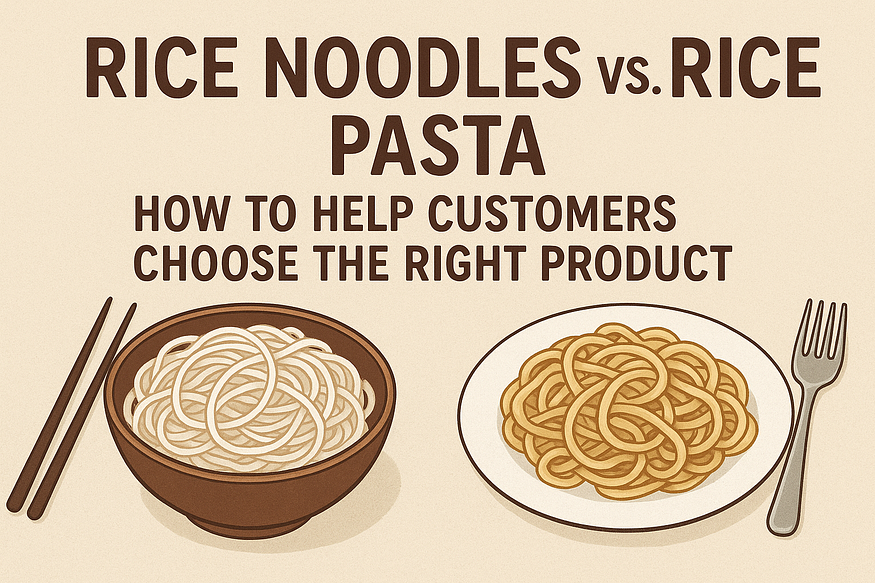
When it comes to modern kitchens, versatility and health-conscious choices go hand in hand. Two pantry essentials that are growing in popularity among Indian home cooks and professional chefs alike are Rice Noodles and Rice Pasta. Both are gluten-free, light, and easy to cook — but which one should your customers choose?
Let’s dive deep into the world of Rice Noodles vs. Rice Pasta and help your customers pick the perfect product for their meals.
Understanding the Basics: What Are Rice Noodles and Rice Pasta?
Rice Noodles
Originating in East and Southeast Asia, Rice Noodles are made from rice flour and water. They are a staple in cuisines like Thai, Vietnamese, and Chinese cooking. Their silky texture and neutral flavor make them perfect for soaking up sauces, broths, and spices.
Popular dishes: Pad Thai, Pho, Singapore Noodles, and Stir-Fried Rice Noodles.
Cooking tip: Soak in hot water for a few minutes until soft — no boiling required!
Rice Pasta
Rice Pasta, on the other hand, takes inspiration from Italian cuisine. Made primarily from rice flour (sometimes blended with corn or quinoa flour), it mimics the shape and texture of traditional wheat pasta. It’s ideal for customers looking for a gluten-free twist on classic Italian recipes.
Popular dishes: Rice Penne Arrabbiata, Rice Spaghetti with Pesto, or Creamy Alfredo made with Rice Fusilli.
Cooking tip: Boil like regular pasta until al dente; toss with olive oil to prevent sticking.
Texture & Taste: What’s the Difference?
Rice Noodles: Smooth & Slippery
Rice noodles are thin, soft, and slightly chewy — ideal for soups, stir-fries, and Asian salads. They absorb sauces beautifully, making them perfect for flavorful, saucy dishes.
Rice Pasta: Firm & Comforting
Rice pasta offers a firmer bite, resembling traditional wheat pasta. It holds sauces well, especially creamy or tomato-based ones. It’s perfect for baked dishes, pasta salads, and Italian entrées.
Pro Tip: If your customers love Italian flavors but are gluten-intolerant or simply health-conscious, Rice Pasta is the go-to choice.
Health Comparison: Which Is Healthier?
Both Rice Noodles and Rice Pasta are:
- Gluten-Free: Great for people with gluten sensitivities or celiac disease.
- Low in Fat: A light and wholesome carb source.
- Easily Digestible: Made from rice flour, making them gentle on the stomach.
However:
- Rice Noodles tend to be lighter and contain fewer calories, making them ideal for soups or quick meals.
- Rice Pasta is slightly denser and more filling, offering a balanced meal when paired with proteins and vegetables.
When to Recommend Each Product
If your customers want to cook quick, light meals like stir-fries, soups, or Asian salads, Rice Noodles are the perfect choice. They cook fast, absorb flavors beautifully, and offer a soft, silky texture that complements Asian sauces and herbs.
For those planning Italian-style dinners or more filling meals, Rice Pasta works wonderfully. Its firm texture holds up well to rich tomato or cream sauces, making it ideal for pasta bakes, casseroles, or hearty one-pot dishes.
Both products fit perfectly into gluten-free diets and are great options for families seeking lighter, more digestible carbs. Kids often enjoy the mild flavor of rice-based products, whether it’s a noodle bowl or a creamy pasta.
Real-Life Example: How Chefs in Mumbai Are Using Them
Many Mumbai-based chefs are now featuring Rice Noodles in their fusion menus — think “Thai Basil Rice Noodles” or “Asian Peanut Noodle Salad.”
Meanwhile, premium cafes and home chefs are turning to Rice Pasta to recreate Italian classics — such as Rice Penne in Creamy Spinach Sauce — offering a gluten-free alternative without compromising taste.
At Chenab Gourmet, we’ve noticed that more Indian households are experimenting with both — enjoying Rice Noodles for quick weekday dinners and Rice Pasta for indulgent weekend meals.
How to Help Your Customers Choose
When recommending products:
Ask About Their Cuisine Preference:
- Asian flavors? Recommend Rice Noodles.
- Italian or Mediterranean dishes? Go for Rice Pasta.
Highlight Cooking Time:
- Rice Noodles: Quick soak and ready.
- Rice Pasta: Boil for 8–10 minutes like traditional pasta.
Offer Pairing Suggestions:
- Rice Noodles pair well with soy, sesame oil, and Asian herbs.
- Rice Pasta goes beautifully with olive oil, tomato, basil, and cheese.
Promote Gluten-Free Benefits:
Customers seeking healthier, lighter meals will appreciate that both are naturally gluten-free and easy to digest.
Where to Find the Best Rice Noodles & Rice Pasta in India
At Chenab Gourmet, we curate a premium selection of Rice Noodles and Rice Pasta sourced from trusted international brands. Whether your customers crave authentic Asian flavors or creamy Italian indulgence, you’ll find the right products for every kitchen.
Explore our collection and bring gourmet dining home with Chenab Gourmet — your trusted destination for world-class ingredients.
Final Thoughts
In the debate of Rice Noodles vs. Rice Pasta, there’s no clear winner — only delicious choices!
It all depends on your customers’ taste preferences, cooking style, and the kind of dishes they love.
Rice Noodles shine in quick, vibrant Asian meals, while Rice Pasta adds a hearty, comforting touch to Italian favorites.
Encourage your customers to try both — after all, variety is what makes every kitchen exciting
Ready to explore the best of both worlds?
Discover premium Rice Noodles and Rice Pasta from top international brands — exclusively at Chenab Gourmet.
Bring global flavors home today
Comments
Post a Comment