Top 10 Secrets to Cooking Perfect Risotto Every Time

Top 10 Secrets to Cooking Perfect Risotto Every Time
Risotto is one of the most beloved dishes in Italian cuisine, celebrated for its creamy texture and rich flavor. However, achieving the perfect risotto can be a challenge without the right techniques. Whether you're an aspiring home cook or a seasoned chef, these 10 secrets will help you master the art of cooking risotto every time.
1. Choose the Right Risotto Rice
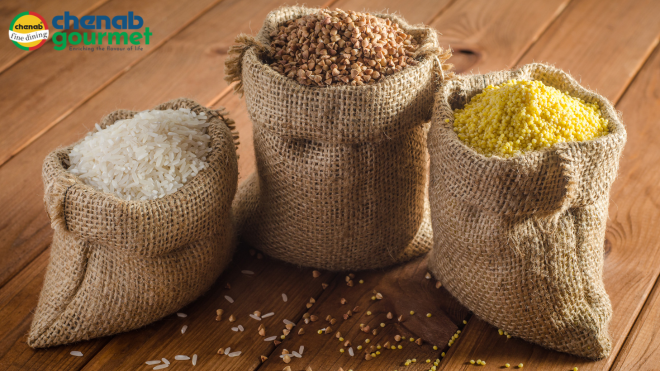
The foundation of perfect risotto lies in selecting the correct rice. Arborio, Carnaroli, and Vialone Nano are the three classic types of risotto rice. Each has a high starch content that creates the creamy texture risotto is known for.
Arborio: Widely available and easy to use, making it perfect for beginners.
Carnaroli: Known as the "king of risotto rice," it’s ideal for maintaining a firm texture while absorbing flavors.
Vialone Nano: Smaller grains that cook faster, perfect for lighter risottos.
Pro Tip: Avoid long-grain rice as it lacks the starch necessary for a creamy consistency.
2. Prep Your Ingredients in Advance
Risotto requires constant attention, so prepping all your ingredients beforehand is crucial. This includes:
Finely chopping onions or shallots.
Heating your broth (more on this later).
Measuring your wine and rice accurately.
Pro Tip: Keep all ingredients within arm’s reach for a seamless cooking process.
3. Use a Wide, Heavy-Bottomed Pan
The type of pan you use greatly impacts the outcome of your risotto. A wide, heavy-bottomed pan ensures even cooking and allows the rice to absorb the liquid uniformly.
Pro Tip: Avoid deep pots as they can make stirring difficult and lead to uneven cooking.
4. Heat Your Broth Before Adding It
Always use hot broth when cooking risotto. Adding cold broth slows down the cooking process and affects the texture. Keep a pot of simmering broth on a separate burner, ladling it into the rice gradually.
Pro Tip: Use chicken, vegetable, or seafood broth based on your recipe, and opt for low-sodium varieties to control salt levels.
5. Toast the Rice First
Toasting the rice in a bit of olive oil or butter before adding liquid is a step often overlooked but essential. This process, known as tostatura, coats each grain in fat, enhancing its flavor and helping it maintain its structure during cooking.
Pro Tip: Toast the rice until it’s slightly translucent around the edges but still opaque in the center.
6. Add Liquid Gradually
Patience is key to achieving perfect risotto. Add the hot broth one ladle at a time, stirring constantly. This gradual addition allows the rice to release its starch, creating the signature creamy texture.
Pro Tip: Wait until the liquid is almost fully absorbed before adding the next ladle.
7. Stir, But Not Too Much
While stirring is necessary to release starch, over-stirring can break the grains and make your risotto gummy. Strike a balance by stirring gently and consistently, ensuring even cooking without overworking the rice.
Pro Tip: Use a wooden spoon for better control and to prevent breaking the grains.
8. Don’t Rush the Cooking Time
Risotto typically takes 18-20 minutes to cook. Cooking it too quickly will leave the grains undercooked, while overcooking results in mushy rice. Trust the process and taste-test frequently to achieve the perfect al dente texture.
Pro Tip: The rice should be tender with a slight firmness in the center, often described as "toothsome."
9. Finish with the Perfect Mantecatura
The final step in risotto-making is called mantecatura, where you stir in butter and grated cheese to create a luscious finish. This step is critical for adding richness and depth to your dish.
Use cold butter to enhance creaminess.
Opt for high-quality Parmesan or Pecorino cheese for authentic flavor.
Pro Tip: Remove the risotto from heat before adding butter and cheese to prevent overcooking.
10. Serve Immediately
Risotto waits for no one. Serve it as soon as it’s ready to maintain its creamy consistency. If left to sit, it can become overly thick and lose its velvety texture.
Pro Tip: If your risotto thickens while serving, stir in a splash of hot broth to loosen it.
Bonus Tips for Flavorful Risotto
Enhance with Wine: Add a splash of dry white wine after toasting the rice. Let it evaporate before adding broth for a subtle acidity that balances the dish.
Season Gradually: Salt your risotto lightly during cooking and adjust at the end to avoid over-seasoning.
Incorporate Seasonal Ingredients: From mushrooms to asparagus, adding fresh, seasonal ingredients can elevate your risotto.
Common Risotto Mistakes to Avoid
Adding Too Much Broth at Once: This prevents the rice from releasing starch evenly.
Using Low-Quality Cheese: The quality of your Parmesan or Pecorino can make or break the dish.
Skipping the Tostatura Step: This compromises the structure and flavor of your risotto.
Conclusion
Cooking perfect risotto is an art that requires the right ingredients, tools, and techniques. By following these 10 secrets, you can consistently achieve a restaurant-quality dish that’s rich, creamy, and bursting with flavor.
Remember, risotto is as much about the process as it is about the final dish. Embrace the slow cooking and constant stirring as part of the experience with Chenab Gourmet and you’ll be rewarded with a truly impressive result.
Ready to perfect your risotto? Share your favorite recipes and variations with us in the comments below!
Comments
Post a Comment